Welcome · 02
How Okapi Works
Rewarding places protected by effort, shared with care.
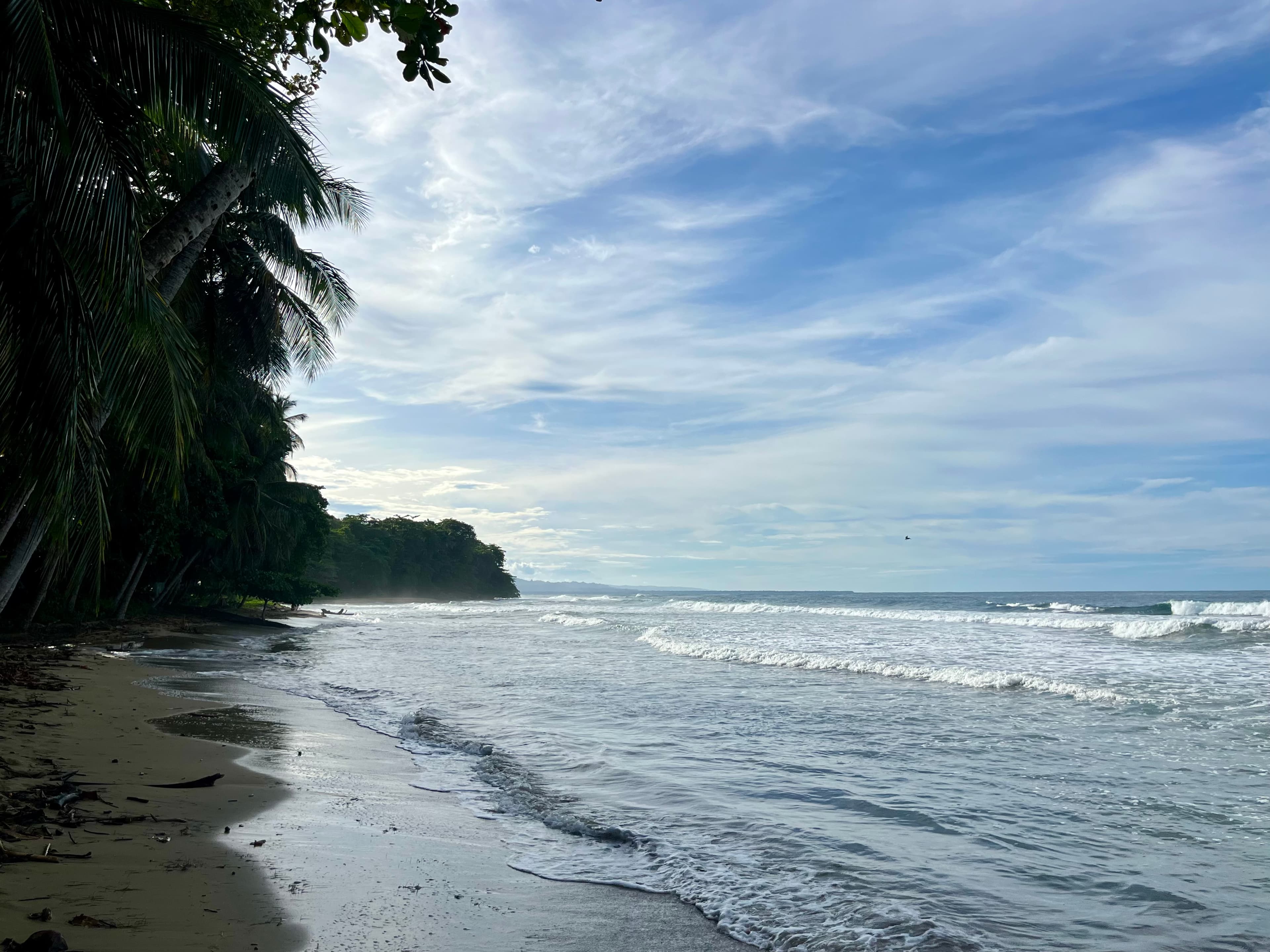
Okapi Compass is not a list of must-see places. It is a curated map of places with character, where the way a place is reached, understood, or experienced helps protect what makes it special.
The core idea
Reward and effort
belong together
Effort alone is not enough. A place that is simply hard to reach is still only hard to reach. What matters is that the effort leads to a real reward.
That reward can be beauty, calm, warmth, atmosphere, food, landscape, local depth, hospitality, architecture, silence, or a feeling that could not be found everywhere.
Effort protects the reward. It does not replace it.
The Effort Filter
What we mean
by effort
Effort is what keeps a place from being consumed too quickly. It comes in several forms, and rarely just one.
Physical
A hike, a climb, or a long walk before you finally reach the place.
Logistical
A rough road, a transfer, a reservation, a route that takes planning.
Temporal
Seasonality, narrow opening windows, the right time of day.
Mental
Patience, a little research, and the willingness to slow down and understand.
Cultural
Local rhythm, customs, and a setting that takes some attention to understand.
Emotional
Small capacity and presence over speed, the right kind of attention.
An important nuance
Known does not
mean non-Okapi
A place can be known, mapped, reviewed, or part of a well-traveled regional route and still fit Okapi Compass.
What counts is whether the effort filter remains real and whether the place still feels like itself. A place belongs here when it has not been reshaped by mass tourism, even if other people have found it before you.
Okapi Compass is not only about secret or hidden places. It is about places that hold their character.
The evaluation
How places are evaluated
Every place is read against four common criteria. Together they form what we think of as a place’s Okapi DNA.
Reward Worth Reaching
Is there something here that genuinely makes the effort worthwhile?
Effort Filter
What prevents the place from being consumed too quickly?
Protected Atmosphere
Does the place still feel stronger than the visitor layer?
Sense of Place
Does it feel rooted, specific, and connected to where it is?
On top of these shared criteria, each place is also read through its own category, because a quiet village and a remote trail are not judged the same way.
Nature
Accommodations
Restaurants
Activities
Villages
The result is a careful, human reading of a place, not a formula.
For members
What members
can expect
- A curated map, not a public checklist
- Places selected for character, reward, and effort
- Practical notes on access, timing, and conditions
- A community that shares carefully
The limits
What usually
does not fit
- Places mainly consumed as photo stops
- Generic recommendations without character
- Places where visitor pressure has taken over
- Experiences designed mostly for fast turnover
- Places that need extra care when shared
This is not a hard exclusion list. Some places can still be shared, but only with the right context, timing, access notes, or caution. The point is responsible framing, not refusing everything. Some places simply need extra care in how they are described or accessed.
The principle
Shared with care
Okapi Compass is selective by design. Some places can be shared, others need more context, restraint, or no added visibility at all.
We share places only when their character can be respected.