Travel & Perception · 01
Why The Way You Arrive Changes a Place
A quiet place does not always need to be secret. Sometimes it only needs an arrival that slows the day down.
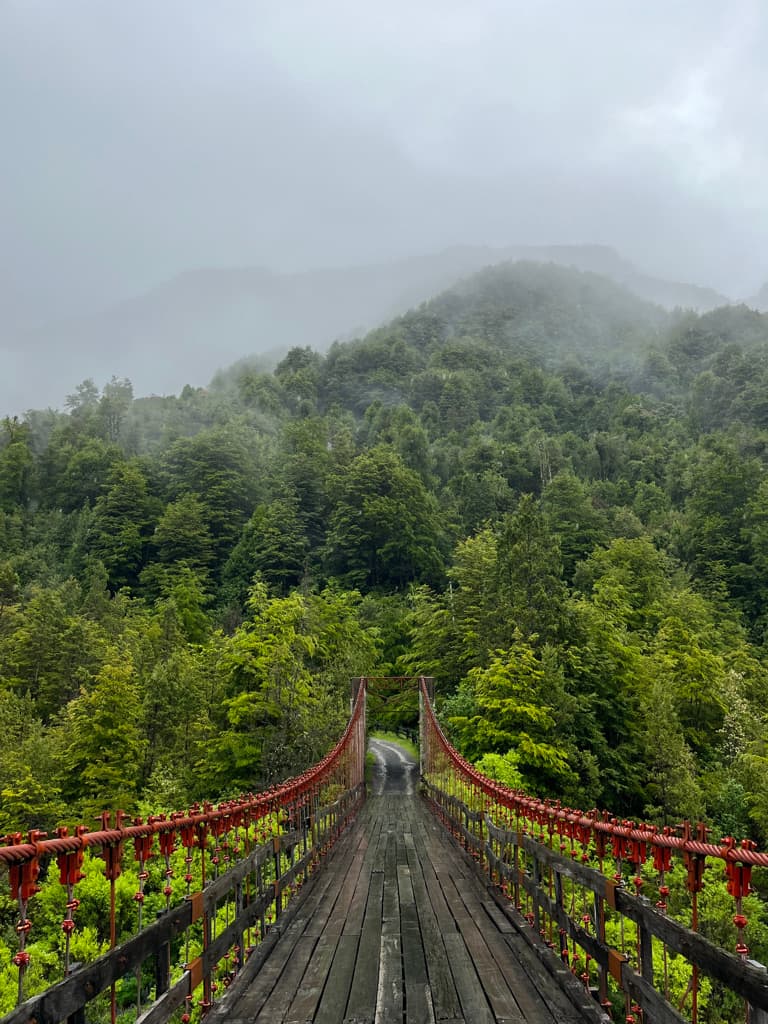
Easy access changes pressure
Most travelers know the feeling of arriving somewhere too easily.
The place may be beautiful, warm, lively, or well recommended. A village square, a small restaurant, a beach, a guesthouse, a market at the edge of town. There is parking nearby, a clear sign, a short way in, maybe already a small crowd moving through.
Nothing is wrong.
But everything around the place makes the visit feel quick.
You arrive, look around, take a seat, order, walk a little, take a photo, check the time. Other people are doing the same. The place is still there, but it has to hold many light visits at once.
Sometimes it can. Sometimes it cannot.
Easy access does not ruin a place by itself. It can make a place safer, fairer, more open, and easier to include in a trip. That matters. A meaningful place should not have to be difficult.
But access always changes pressure.
When a place is easy to reach, more people can arrive at the same time, with less preparation and less intention. The visit becomes easier to add between two other stops. A square becomes a place to pass through. A restaurant becomes a convenient table. A path becomes a quick viewpoint. A guesthouse becomes a base instead of part of the place.
The last stretch slows the day down
Then there are other arrivals.
The last part is on foot. The road is narrow. The room has only a few tables. The ferry runs twice a day. The market closes before noon. The guesthouse asks you to arrive before dark because the road is not simple at night.
None of this is heroic.
It is just enough to slow the day down.
You check the weather. You look at the hour. You wonder whether there will be shade, cash, a table, a way back. You arrive with a little more attention than you would have brought otherwise.
And the place has more room to meet you.
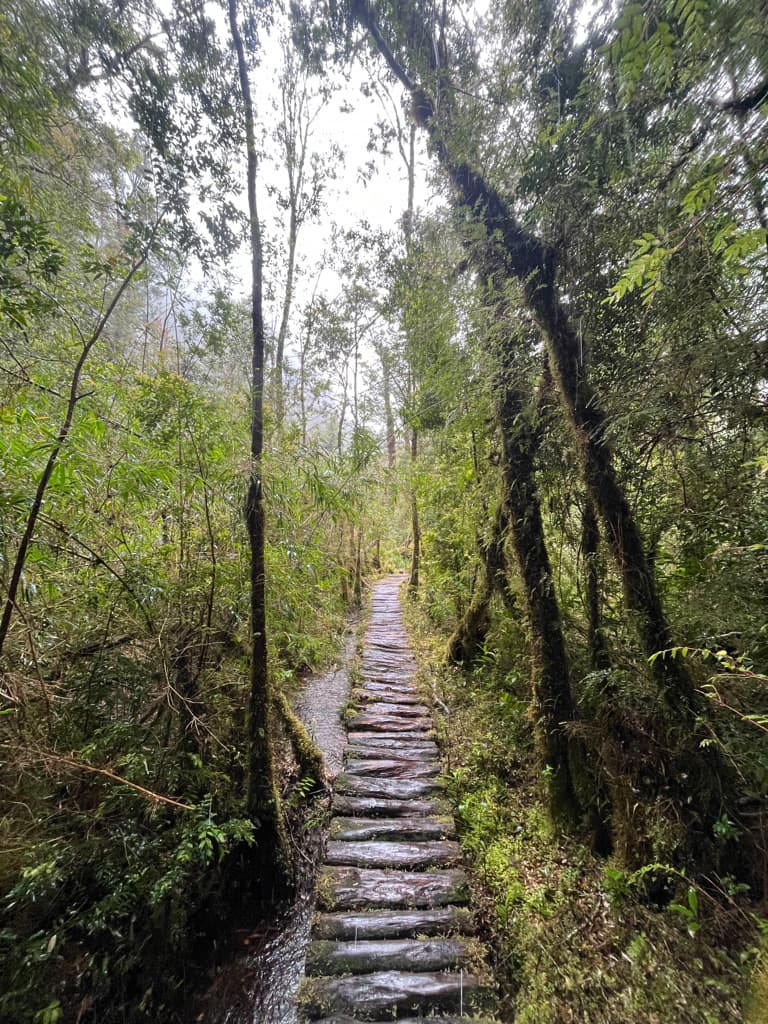
That is the difference between stopping somewhere and arriving somewhere.
A stop can be pleasant. You see the view, eat the meal, cross the square, sleep in the room. But an arrival gives the place a beginning. The road before it, the hour you had to respect, the short walk, the small uncertainty, all of it becomes part of the memory.
The effort is not the point by itself.
It matters because the place still has its own shape.
A beach reached after a walk feels different from a beach reached from a car park. A restaurant with a short lunch service feels different from a place that serves all day for whoever passes. A village where cars stop at the edge feels different from a village where the square has become a turning circle.
They are small, almost ordinary details.
But they are often what keeps a place from becoming a quick stop.
A good recommendation keeps the conditions
This is part of why Okapi Compass exists.
Okapi is a community map of places worth reaching, and of the small conditions that make reaching them meaningful. It is not built only around where a place is. It also cares about how a place is reached, when it is best met, what kind of effort it asks for, and why that effort makes the visit more rewarding.
A good recommendation should not erase those conditions.
If the last stretch is walked, that belongs in the description. If the table needs booking, that belongs too. If the road is slow, if the season matters, if the place is better early, if the return takes longer than expected, those are not boring details. They explain why the place still feels like itself.
Many Okapi places are not secret.
They may already be known by locals, hikers, families, cyclists, or people who return every year. What matters is that they have not become automatic. They still ask visitors to adapt a little.
And that is often enough.
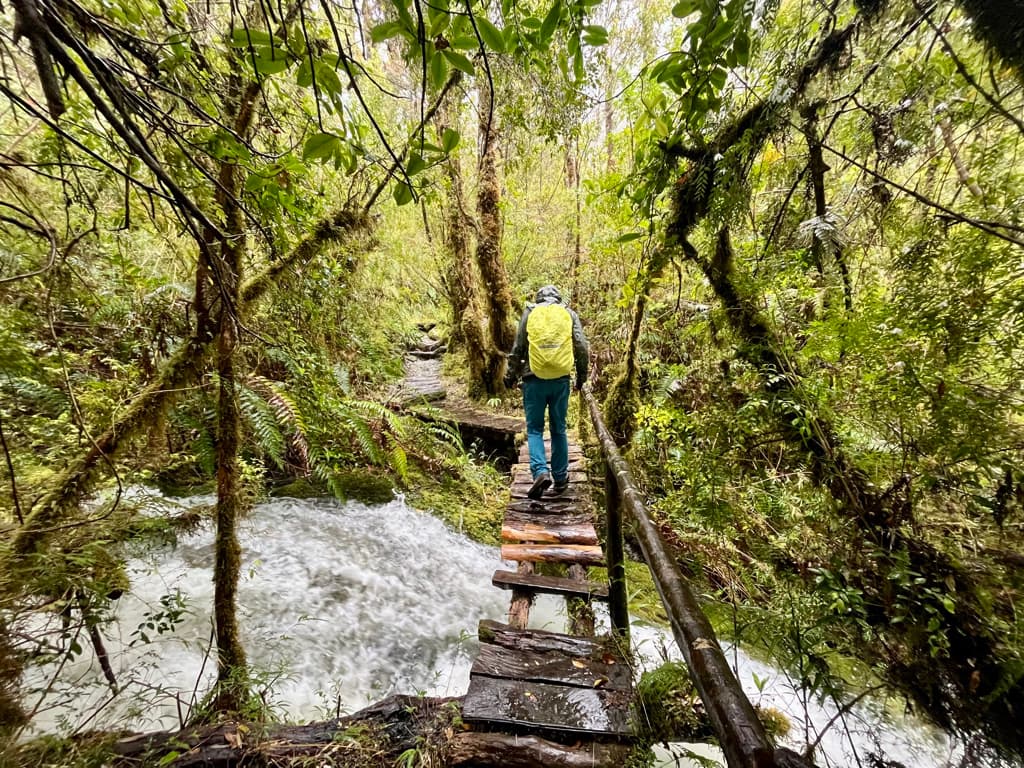
It can keep the visit slower. It can keep the place calmer. It can make a meal feel earned, a swim feel better, a square feel lived in, a stay feel connected to the valley around it.
A place does not need to be hard to be worth reaching.
But often, the places that stay with us are the ones that asked for a little attention before we arrived.