People & Place · 02
What Makes a Place Worth Staying Longer?
What makes a place worth staying longer? Often, it is the local life beyond the sights: everyday routines, small businesses and a rhythm that continues without the visitor.
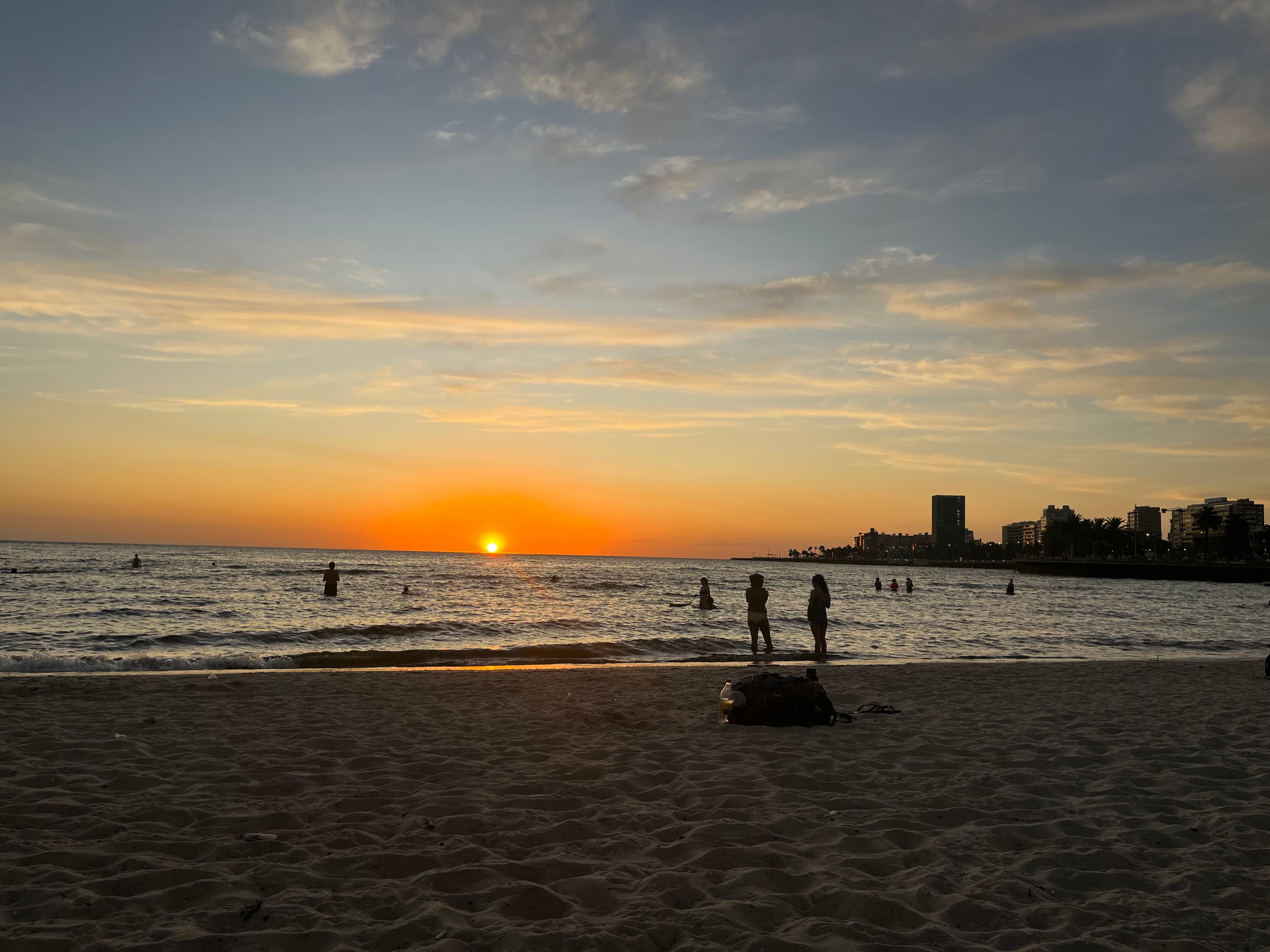
We did not fall in love with Montevideo, but some of the moments we remember most clearly from a year of travelling happened there.
In the evening, people would come down to the water with their mate and sit facing the horizon. Nobody seemed in a hurry. They were simply waiting for the sun to drop and the sky to change colour. Then, as the last light disappeared, people started applauding.
We had never experienced anything like it before. There was something unexpectedly moving about strangers gathering for something so simple, waiting together and then applauding the sunset as if nature itself had just finished a performance.
A few days later, on the morning of my 31st birthday, my husband brought a small cake to the beach and a candle that the wind made almost impossible to light. Three older women walking together noticed what was happening, stopped beside us and started singing happy birthday.
We never saw them again, but I will probably remember that birthday forever.
Neither moment was a tourist attraction. What made them memorable was the brief feeling of stepping into local life rather than simply watching it from the outside.
We felt something similar in Chachapoyas, in northern Peru, although the place could hardly have been more different. There is a beautiful central square and some very good coffee shops, but the local market revealed another layer of the town. People were buying fruit and vegetables, stopping for fresh drinks and doing the ordinary shopping that keeps a place alive. Nothing there seemed staged for visitors or particularly interested in explaining itself to us.
That contrast is what made Chachapoyas interesting.
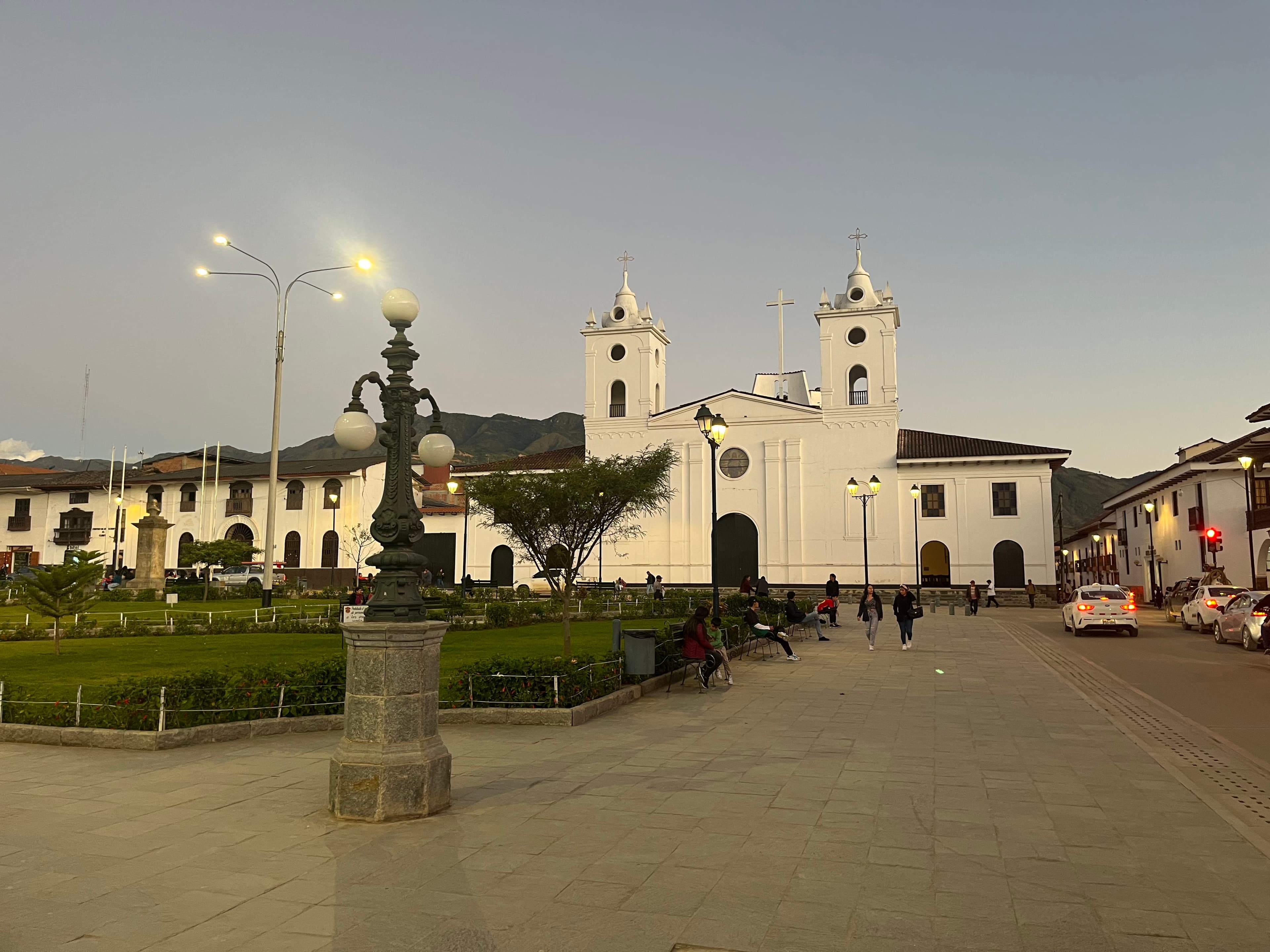
A place does not have to be untouched by tourism to keep its character. Cafés, accommodation and visitors can exist alongside everyday life. The more interesting question is whether local life still sets the rhythm, or whether the visitor has become the main audience.
At Okapi Compass, that is one of the things we notice in villages, small towns and other lived-in places. We are not looking for somewhere frozen in time. We are interested in places where visitors can join a rhythm that already exists.
Sometimes that is what makes a place worth staying longer.
Not another attraction to add to the day, but enough life beyond the sights to make you curious about what happens when you stop looking for the next thing.