Travel & Perception · 03
When the Extra Effort Is Worth It
When does extra travel effort add meaning? A journey to Karajía explores how access, timing and small thresholds can protect a place’s character.
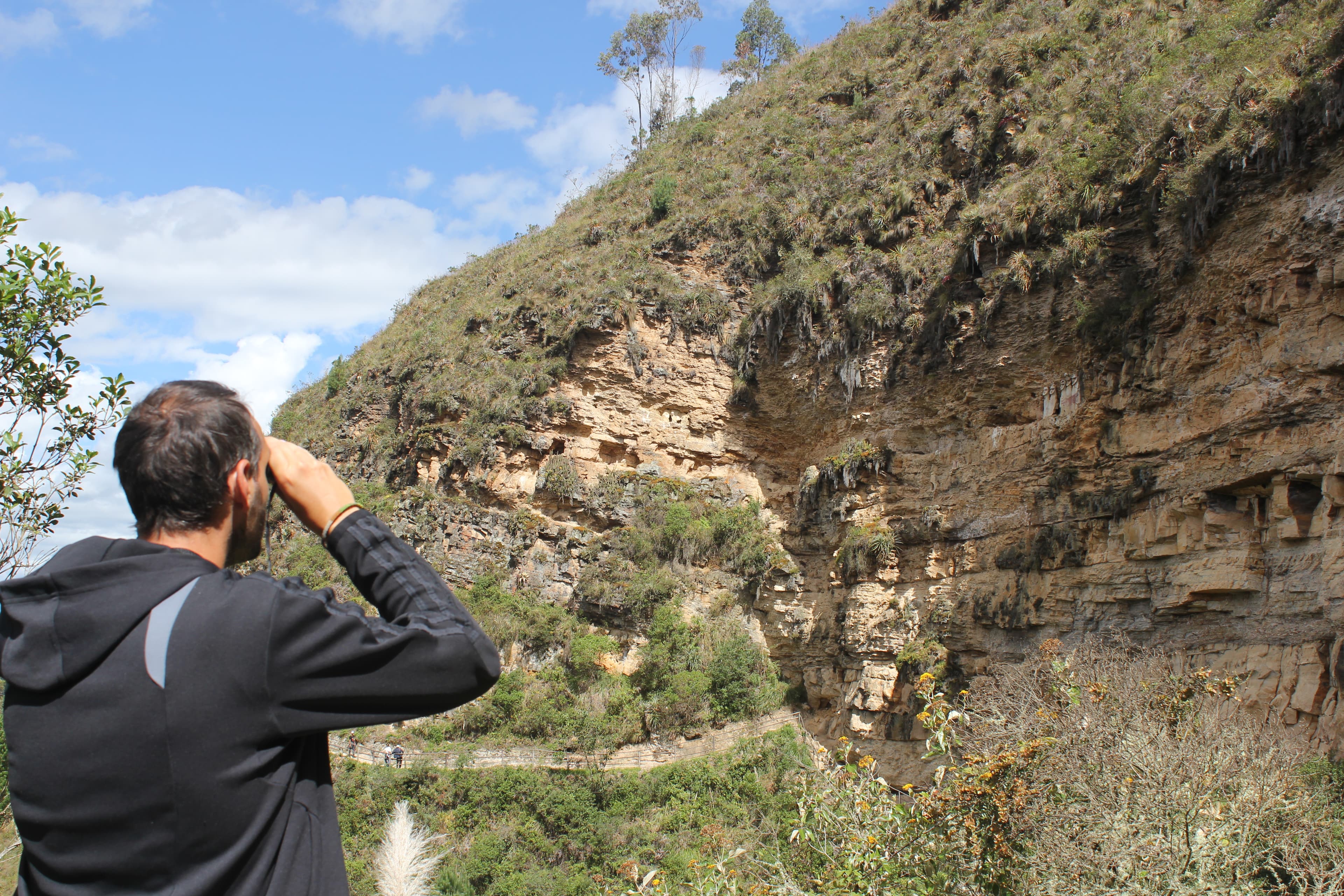
By the time we reached the Sarcophagi of Karajía in northern Peru, the day already felt bigger than the place we had come to see.
From Chachapoyas, our route involved three different cars, a small village we would probably never have visited otherwise, and one final walk. By chance, the village was holding a local celebration that day. People were gathered outside, music carried through the streets, and for a while we were simply passing through somebody else’s normal Saturday before continuing towards the cliffs.
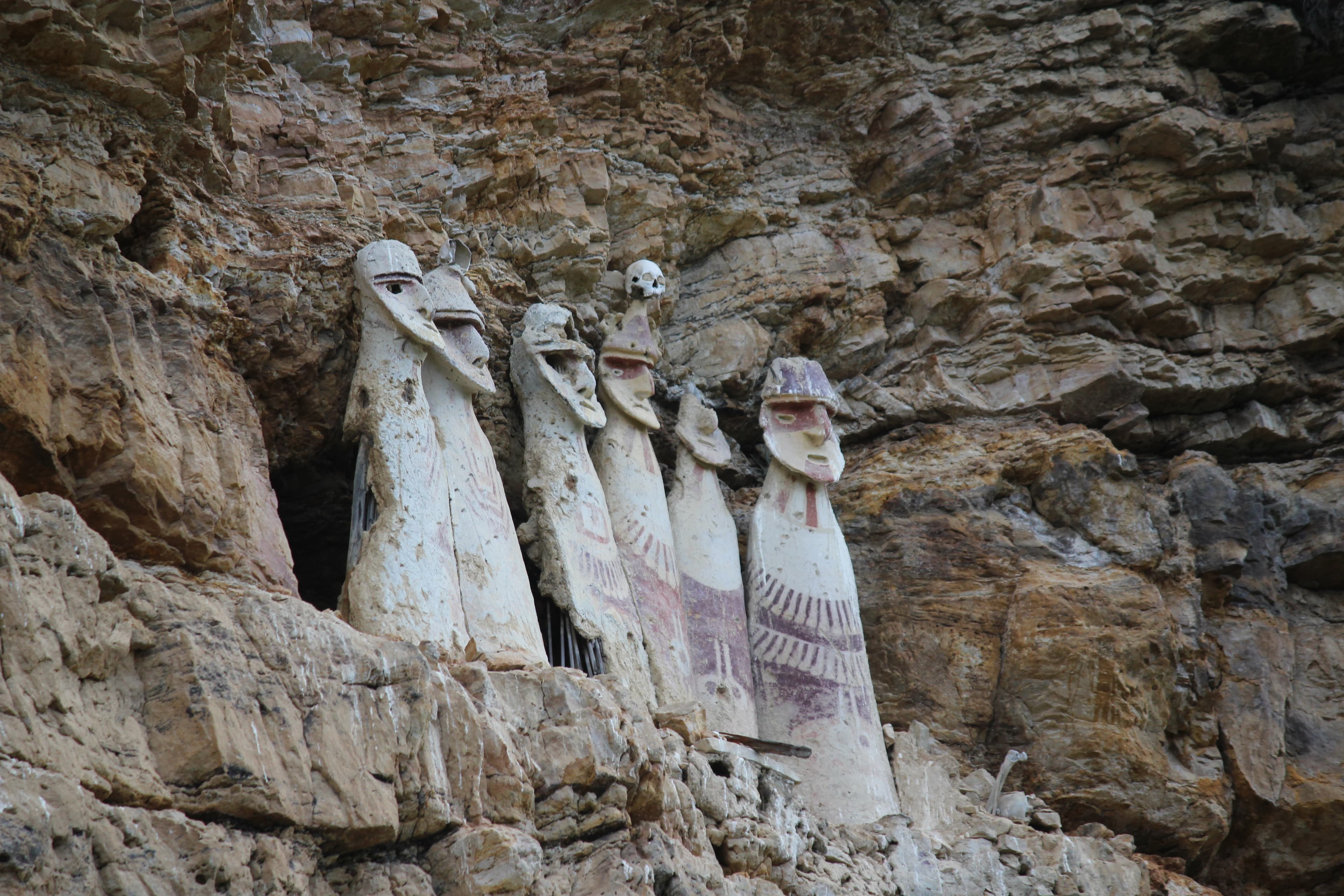
Karajía itself is extraordinary. The Chachapoya sarcophagi stand high in the rock, far above the valley, and seeing them in that setting makes it easier to understand why the journey matters. The site did not feel like a pin we had collected on a map. We had spent time getting there, watching the landscape change and moving at the pace the route allowed.
That is the kind of effort worth paying attention to.
The value is not in difficulty itself. A long drive, a steep path or a complicated connection does not automatically make a place better, and completing them does not make anyone a better traveller. What matters is whether the threshold helps keep something worth experiencing intact.
In Karajía, the access gives the site context. You arrive through the region rather than appearing directly in front of the attraction. Elsewhere, the same role might be played by limited capacity, an opening schedule or a booking system that prevents a small place from having to operate at unlimited scale.
There is an important difference between useful friction and a barrier that protects nothing. High prices, missing information or unnecessary physical difficulty can simply make access less fair. If the same character can be preserved through a fairer form of access, making the journey harder is not the goal.
This is why access matters so much to the way Okapi Compass describes a place. A recommendation should tell you more than where to go. It should keep the conditions around the visit visible: the time it takes, the rhythm of arrival, the limits that matter and the reasons those limits exist.
That changes what gets shared, too. Beauty alone is not enough. We are interested in places where character, calm and local rhythm are still stronger than the pressure to make everything faster and easier to consume.
The useful question is surprisingly simple: what does the effort protect?
Sometimes, nothing. Difficulty by itself does not make a place more meaningful.
But when the effort helps preserve the pace, scale or character of a place, it becomes part of the experience rather than just an inconvenience.
Karajía made that distinction clear to us. The three cars and the final walk are not why the sarcophagi matter, but they kept the visit connected to the landscape, the villages and the history around them.
That is one of the ideas behind Okapi Compass: keeping those conditions visible, instead of showing only the destination itself.