People & Place · 01
Some Places Are Better Left Small
Why do some places lose their character as they grow? A reflection on capacity, thoughtful travel, and the limits that help small-scale places remain themselves.
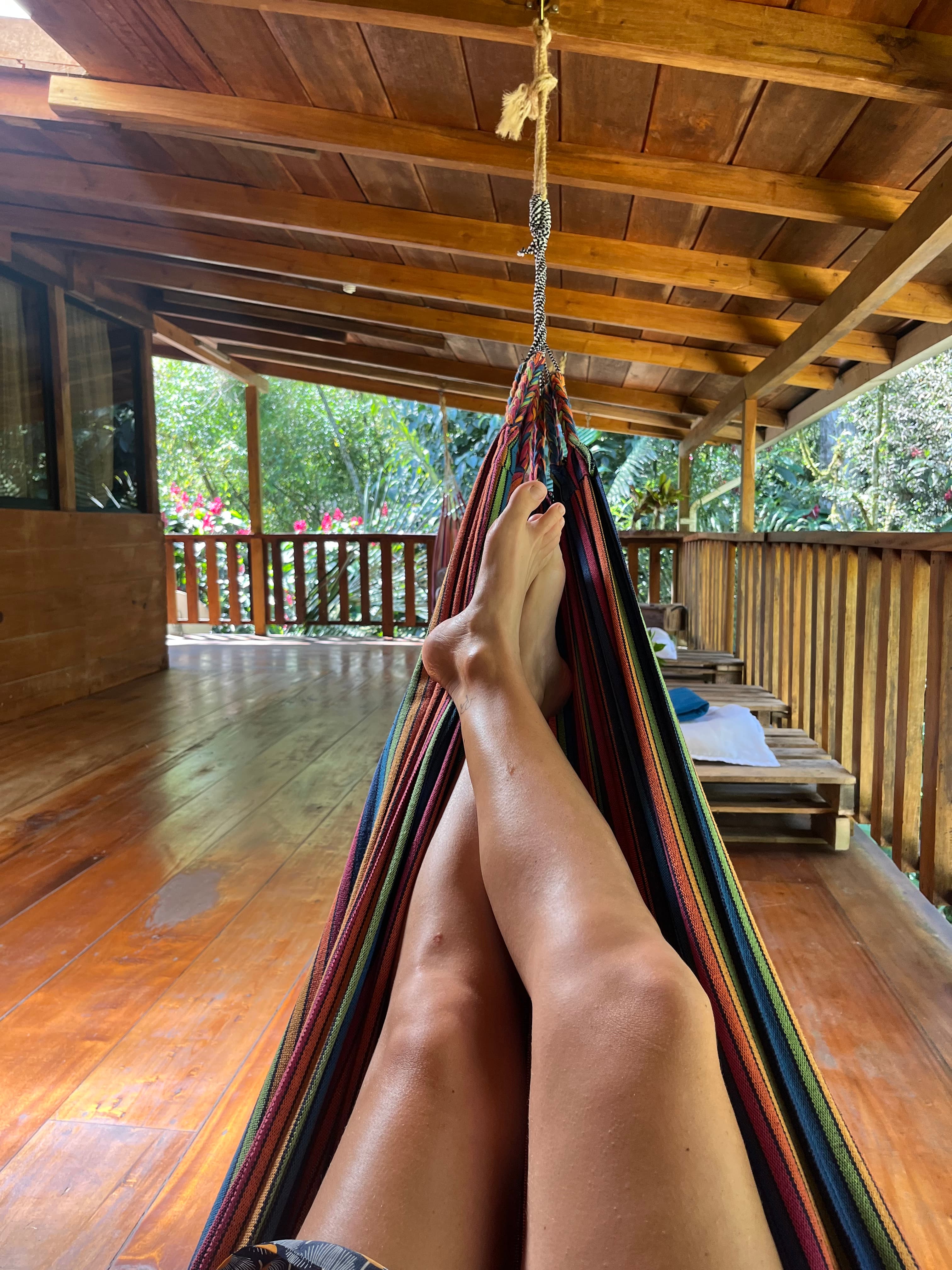
Some places lose their character long before they lose their beauty.
It often begins with something that looks like an improvement: a few more rooms, longer opening hours, or simply more space for visitors. Each change makes sense on its own, but together they can quietly turn a small place into a busier version of itself.
Every place has a scale that suits it. A guesthouse feels personal because the host still has time to notice who arrives. A small restaurant keeps its rhythm because the kitchen is not built for endless turnover. Increase the capacity and both may continue to function, yet no longer feel quite the same.
Change is part of keeping a place alive. It can support local livelihoods, help a business adapt, and make the future more secure. Growth, however, is rarely neutral. More capacity often brings faster turnover, more pressure, and less space between one visitor and the next.
Sometimes a limit is simply part of how a place protects its character. Booking ahead or returning another day can be inconvenient, but those small constraints often reflect what the place can genuinely hold. They mark the point at which more begins to change what is already there.
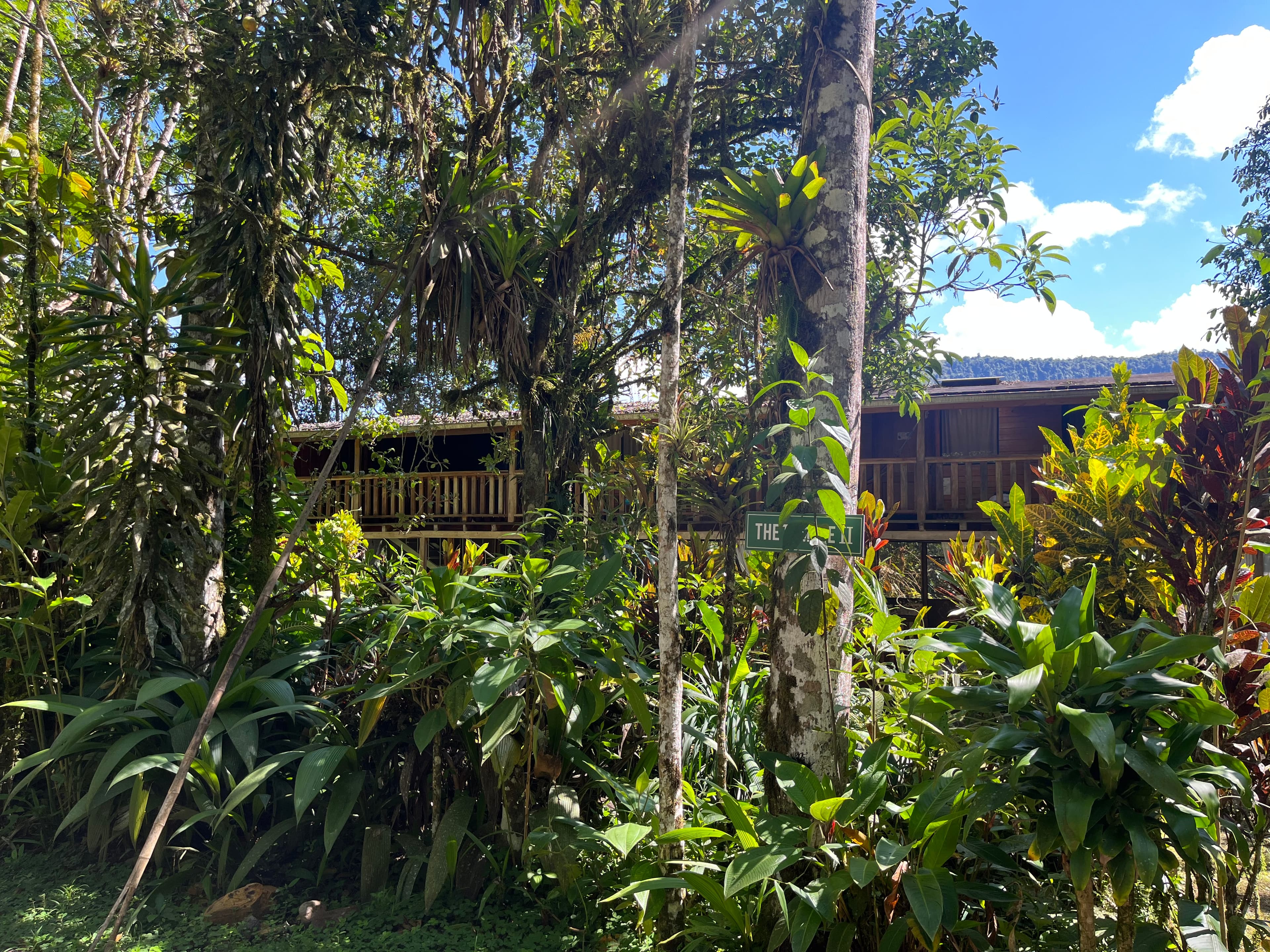
For thoughtful travel, those limits are useful information. A good recommendation includes them rather than treating them as problems to solve. It tells readers what a small-scale place can realistically hold and why that scale matters to its character.
At Okapi Compass, careful sharing means respecting that scale. We are interested in places that still have limits of their own, because those limits often explain why they remain personal, calm, and connected to the people who run them.
Not every good place needs to grow. Some are worth protecting because they still know their own size.